Who we serve / Semiconductor equipment
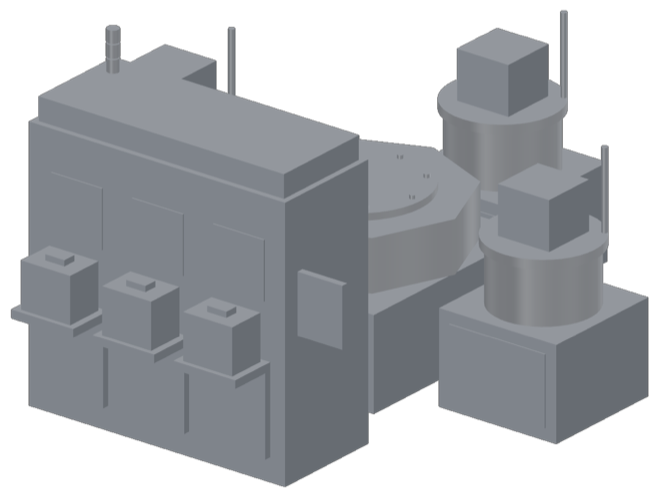
A fab runs around the clock, and every tool in it depends on someone who knows how to bring it back.
What is happening
157,000
workers the US semiconductor industry could be short by 2030, at the top of a projected range that starts at about 127,000.
McKinsey with SEMI Foundation and NNME, Closing the Talent Gap in the Semiconductor Industry, 2026~73,000
more technicians the US industry is projected to need between 2026 and 2030.
McKinsey with SEMI Foundation and NNME, Closing the Talent Gap in the Semiconductor Industry, 2026€8.2B
of service and field option sales at one tool maker, ASML, in 2025, up 26% in a year.
ASML, full-year 2025 results
Our view
A process tool is thousands of parts held to tolerances most machines never see, installed in a clean room, and expected to run day and night. When it goes down the fab calls the maker, and the maker sends a field service engineer who has to bring it back without making anything worse.
Those engineers are among the scarcest people in the industry, and new fabs are being built faster than they can be trained. Preventive maintenance on a chamber is a long sequence in which the order matters, done by someone in a clean-room suit with little room to look things up. We think tool makers will be judged as much on how quickly a new engineer can service the tool as on what the tool can do.
The tool maker owns the model. Procedures drawn from it, with each step on the exact assembly, can be kept true through every engineering change, and in this industry those come constantly and differ from one customer to the next.
Where machinebase fits
- Maintenance and repair procedures drafted from the tool's CAD, module by module.
- Each step shown on the exact model, down to the fastener.
- A new revision compared with the last, so procedures follow each engineering change.